
The world of artificial intelligence is moving at a breakneck pace, and the latest frontier is real-time, multimodal interaction. Enter the era of advanced AI assistants, heavily popularized by OpenAI's ChatGPT and Google's Project Astra. We are stepping away from simple text prompts and moving towards AI that can see, hear, and interact with the world exactly as we do. It’s an exciting time, but what exactly does this mean for our daily lives, and how will it change the way we interact with technology?
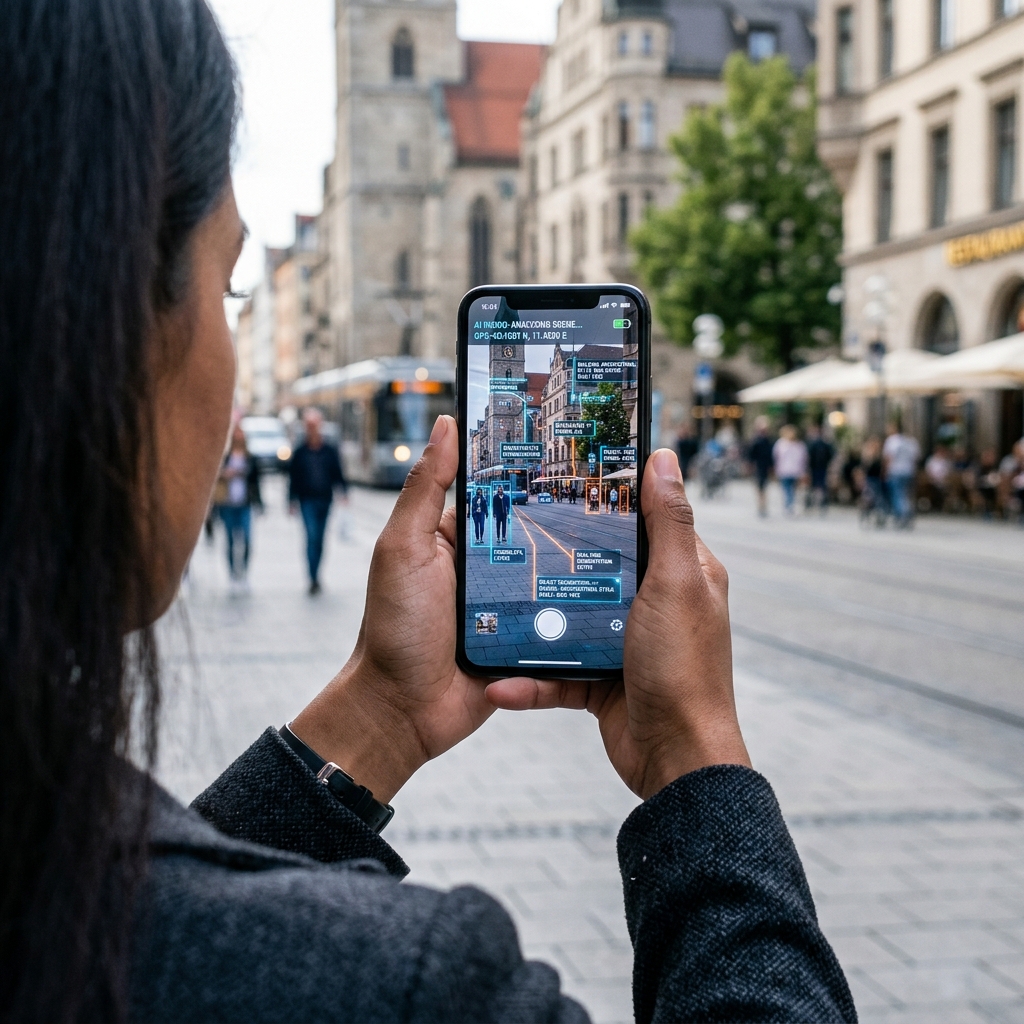
One of the most profound shifts with assistants like Project Astra and ChatGPT's advanced voice mode is their ability to understand context through a camera lens. Imagine pointing your phone at a broken appliance, and the AI not only identifies the part but walks you through the repair process step-by-step, highlighting what to do on your screen. This level of visual processing bridges the gap between digital knowledge and physical reality, making the AI feel less like a search engine and more like an ever-present, hyper-intelligent companion.
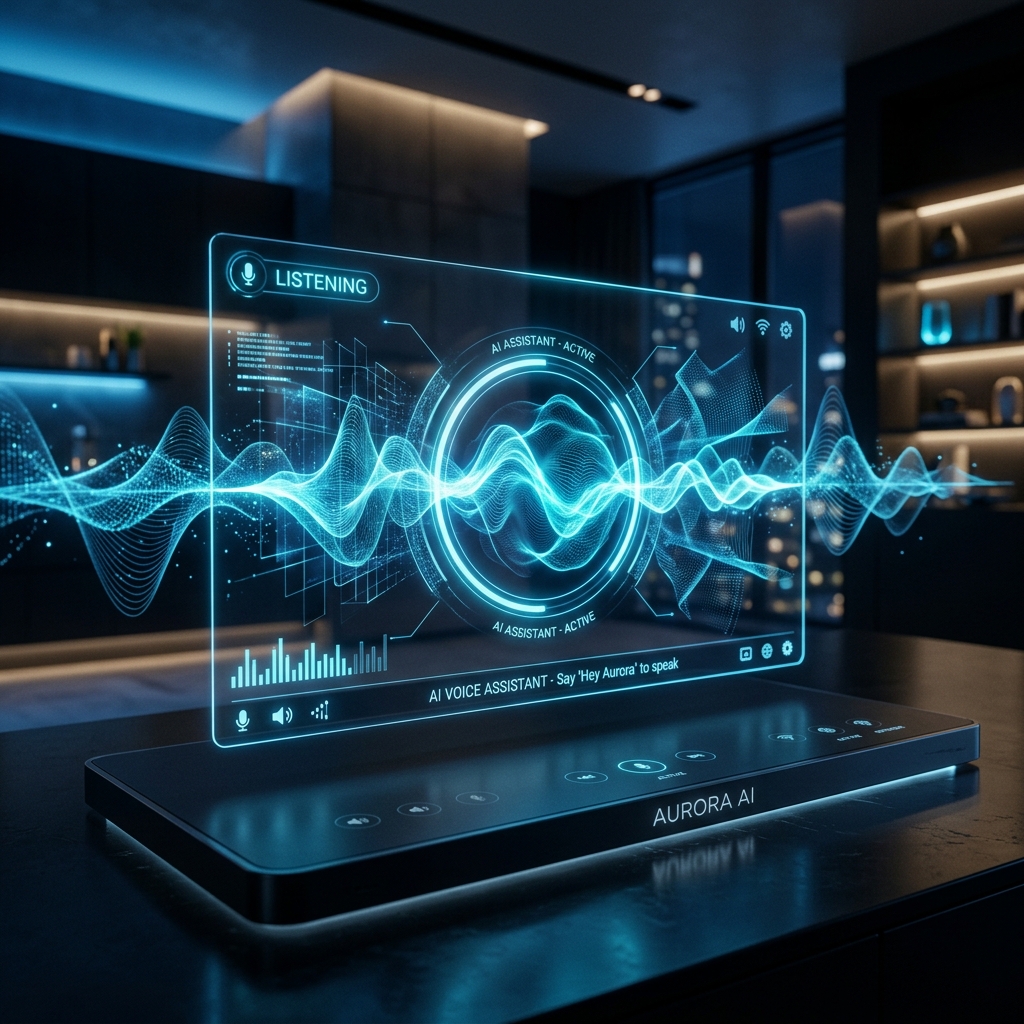
Furthermore, the latency—the time it takes for the AI to respond—has been drastically reduced. In the past, talking to an AI felt clunky, filled with awkward pauses that broke the conversational flow. Now, these systems can interrupt, change tone, and respond with human-like speed and inflection. This seamless interaction is crucial for adoption. Whether you are using it for real-time translation during a conversation, getting immediate feedback on your coding, or just having a brainstorming session, the fluid nature of these new assistants makes them incredibly powerful tools.

As these technologies mature, they will inevitably become deeply integrated into our smart glasses, phones, and homes, fundamentally altering our relationship with machines.