
Foldable phones are no longer futuristic concept devices, but they are also not perfect replacements for regular smartphones yet. The truth sits somewhere in the middle. They are real, useful, expensive, improving quickly, and still full of compromises that buyers should understand before spending premium money.
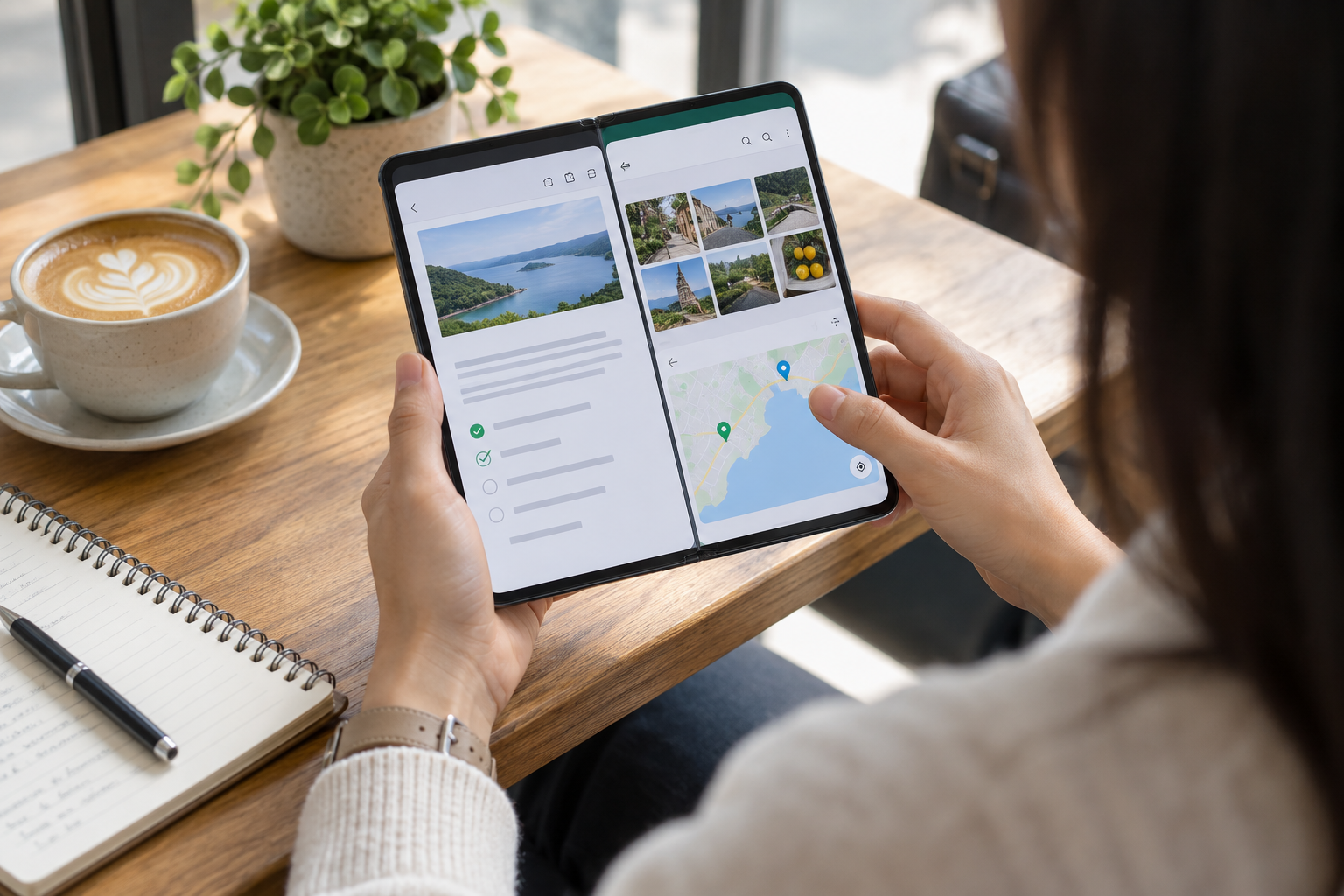
The biggest advantage of a foldable phone is simple: it gives you more screen in a pocketable body. A book-style foldable can work like a regular phone when closed and like a small tablet when opened. That extra space is genuinely useful for reading, multitasking, editing documents, watching videos, gaming, and using two apps side by side. Flip-style foldables solve a different problem: they make a full-size phone more compact in the pocket and often add a small outer display for quick actions.
But the folding screen is also the biggest trade-off. A foldable display is softer and more delicate than the glass used on most traditional smartphones. Modern ultra-thin glass and protective layers are much better than early foldable screens, but they still require more care. Sharp objects, dust, hard pressure, and debris between the screens can cause damage. This is why foldable brands often include specific care instructions that would sound unnecessary for a normal phone.
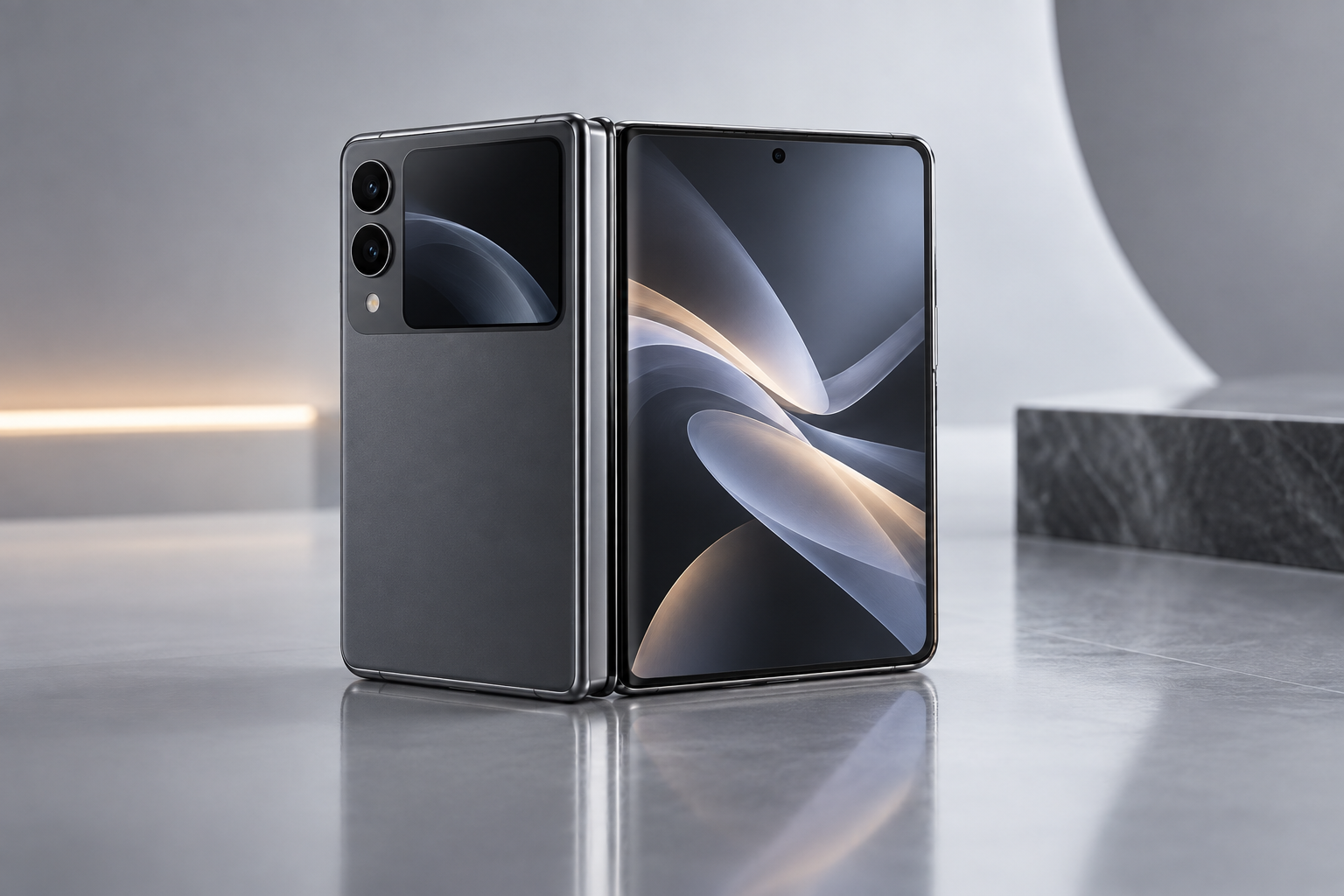
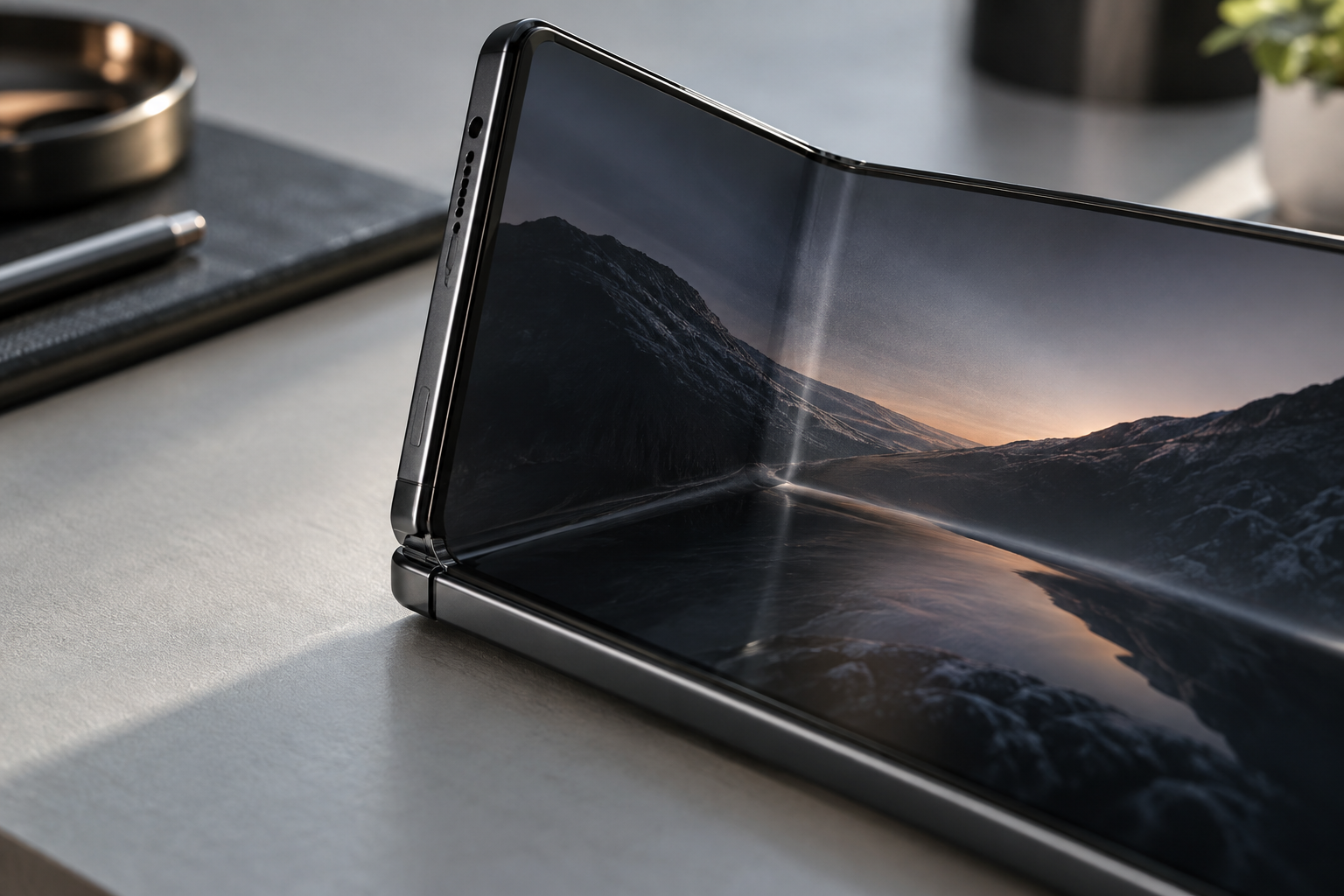
The crease is another real fact. It has become less distracting on newer models, but it has not disappeared completely. The crease exists because the display bends repeatedly in the same area. Companies are trying to reduce it through better hinge design, improved screen layers, and stress management across the display. In daily use, many people stop noticing the crease, especially when looking straight at the screen, but it can still appear under reflections or from certain angles.
Durability has improved a lot, especially around hinges and water resistance. Some newer foldables now offer meaningful water resistance, and the hinge mechanisms are far stronger than the first generation. Still, dust resistance remains more difficult because a hinge has moving parts and tiny gaps. A foldable phone can survive normal daily use, but it is not the best choice for people who are careless with their devices, work in dusty environments, or often keep keys and coins in the same pocket as their phone.
Battery life is another practical compromise. Foldables have larger screens, but they also need to fit batteries around hinges and thinner body sections. Some models perform well, but many still cannot match the endurance of the best regular flagship phones. The same applies to cameras. Foldables are expensive, yet their camera hardware is sometimes slightly behind the top slab-style flagships because space is limited and the design is more complex.
Price is one of the clearest facts: foldables are premium devices. They cost more because the display, hinge, structure, and testing process are more complicated. The market is growing, but foldables still represent a small portion of total smartphone sales. Their importance is bigger than their volume because they help brands defend premium pricing and show visible innovation in a smartphone market where regular phones have started to look very similar.
For most people, a foldable phone is worth buying only if the form factor solves a real problem. If you regularly read, multitask, travel, work from your phone, or want a compact flip design, the benefits can feel meaningful every day. If you mainly use your phone for calls, messaging, social media, and photos, a regular flagship may still give better value, better durability, better battery life, and better cameras for the same or less money.
The actual fact about foldable phones is that they are not a gimmick anymore, but they are not the default future for everyone either. They are a premium category built around screen flexibility, portability, and multitasking. Their strengths are real, and so are their weaknesses. The smartest way to judge them is not by hype, but by asking one practical question: will the folding screen change how you use your phone every day?